
When the Specialist Isn’t Specialized
I was a kid when I first remembered seeing Ryan White. He had spiky hair
and a face that looked pale and thin for his age. He was just 13 years old and fighting for his life. Ryan White became an unexpected face of the AIDS epidemic in the 1980s, and the introduction to my first obsessive thought.
Misinformation about HIV/AIDS was everywhere.It wasn’t uncommon to hear that you could get AIDS from a toilet seat or mosquitoes. I remember my parents warning me, “Don’t drink from the water fountain.” There was also a widespread belief that HIV/AIDS happened to other people—to certain groups somehow different from us. Ryan White challenged that belief. HIV/AIDS did not discriminate.
My young mind reeled. If Ryan White could get AIDS, then anyone could. The disease seemed terrifying, invisible, and impossible to escape.
At the same time, my fundamentalist religious upbringing was shaping my understanding of right and wrong. I learned that being “just right” could keep me from failing. Faith often seemed intertwined with magical thinking: pray, believe, confess enough and bad things won’t happen. Certainty was an unattainable target. I learned to fear being inevitably doomed because I could never do enough or do it just right.
In middle school, Peter Zamora, a reality television personality who was public about living with AIDS, visited my school to speak about stigma. At the end of his presentation, my friends went onstage to give him a hug. I didn’t dare refuse, but I was overwhelmed by the fear that I would contract HIV from the hug. All of the misinformation was flooding my mind! Worse, I felt I deserved it. After all, I was no better than anyone else.
What if I contracted AIDS through sweat? What if he had a cut and I had a cut, and they touched? If he got AIDS, why would I be any different? I haven’t been following my faith correctly, and this would be evidence.
I checked my skin, scanned my body for symptoms, replayed possible exposures, and searched for certainty. I couldn’t concentrate. The nightly cold sweats from anxiety felt like evidence that I had the disease.
My compulsions were largely hidden. Nobody knew I was terrified. Over time, “doomed” took many forms: doomed to embarrassment, damnation, rejection, or making a terrible mistake.
I sought therapy, but some treatments unintentionally strengthened my OCD through reassurance and attempts to dispute my fears. Therapists seemed frustrated with me when traditional methods did not alleviate my symptoms. It wasn’t until I became a therapist that I
found approaches—and a therapist— that helped me understand OCD. Through ACT, ERP, and eventually iCBT, I learned that I wasn’t broken. I was experiencing a recognizable pattern of thinking that made compulsions feel like my only path to safety.
Today, I treat OCD and other anxiety disorders. I see a growing number of clinicians identifying themselves as OCD specialists, and I think that is a positive development. People with OCD desperately need knowledgeable providers. But becoming an OCD specialist is more complex than completing ERP training and adding “OCD” to a professional bio.
Training is essential, but good OCD treatment requires understanding the disorder’s many presentations, differential diagnosis, co-compulsing, avoidance, and the ways therapists can inadvertently become part of the cycle. A clinician may encounter contamination, scrupulosity, relationship, harm, sexual, or metaphysical obsessions, each requiring a nuanced understanding and approach. Additionally, becoming an OCD specialist requires more than understanding OCD alone. Clinicians should develop familiarity with the broader spectrum of anxiety disorders and common co-occurring conditions, like OCPD, GAD, panic, or trauma,
including how to distinguish them, recognize when they overlap, and appropriately address them in treatment.
For clinicians, specialization should be an ongoing process—not simply a credential. Quality training, consultation, continuing education, and knowing when to refer are essential.
I lived untreated for years. I know what it feels like to fear something so deeply
that it becomes impossible to explain. I also know the difference a knowledgeable therapist can make.
Finding the right treatment gave me my life back. Now, my lived experience informs how I treat OCD—and why getting it right matters so much.
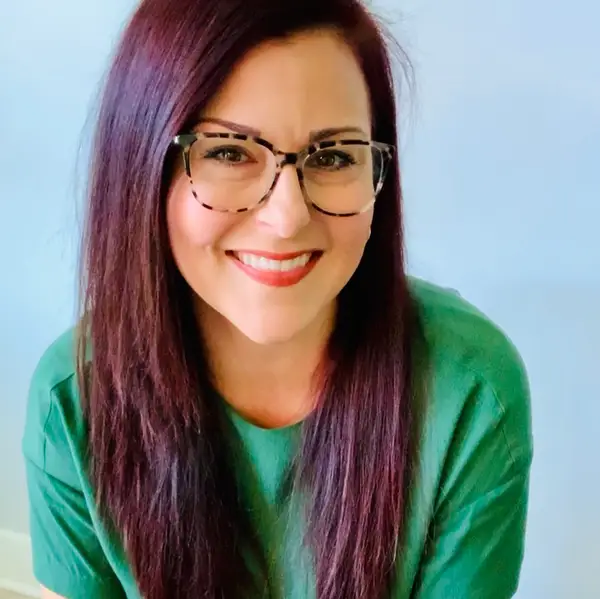
Written By: Jessica Alea, LMHC
Jessica is a Florida Licensed Mental Health Counselor (LMHC) specializing in trauma and anxiety treatment for adolescents and adults. She provides in- person sessions in Fort Walton Beach and virtually throughout Florida. EMDR and Prolonged Exposure certified, with training in CPT, ERP, ACT, SPACE, ComB, and CBT, Jessica helps clients navigate OCD, phobias, panic, social anxiety, insomnia, and trauma. Her goal is to help clients find relief, healing, and renewed joy.

Comments